
CASE STUDY
EHR & Hospital Management System
Problem
Modern hospitals are heavily constrained by fragmented, aging legacy software. Critical workflows, from clinical documentation to billing, operate in isolated environments with weak integration, leading to manual errors and data gaps. Attempting to force compliance with modern standards like GDPR, EU MDR, and HL7 FHIR onto this outdated infrastructure requires fragile technical patching. At the same time, transitioning to commercial off-the-shelf enterprise platforms introduces prohibitive upfront licensing fees, while customizing rigid “box” solutions drives the total cost of ownership to unsustainable levels.
Solution
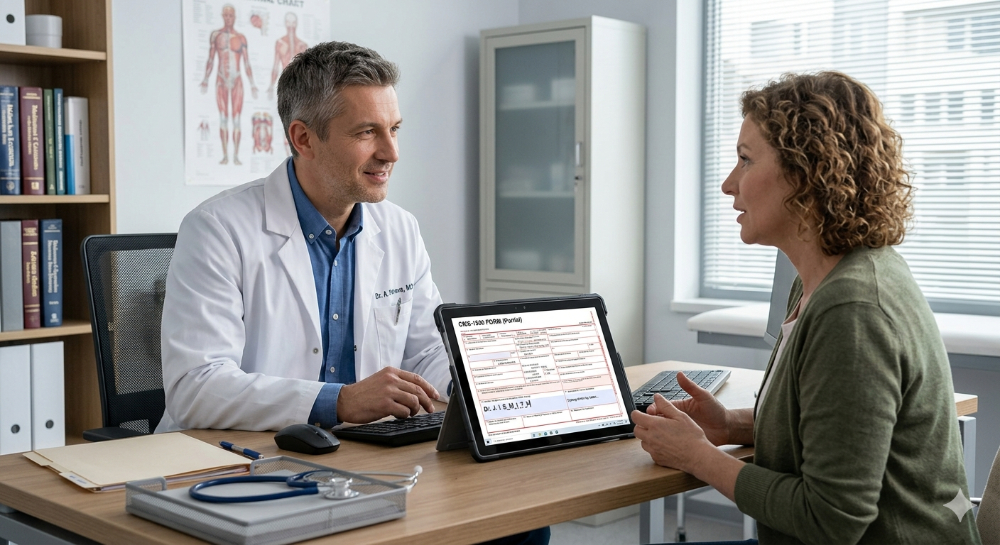
We developed a modern EHR platform that manages the complete hospital lifecycle: patient admission and discharge, clinical documentation, diagnostic imaging, surgical scheduling, pharmacy, billing, and compliance reporting. Every process that previously required a separate system or manual handover now runs within a unified data model, providing a single source of truth for every patient record.
The architecture was designed from the ground up for regulatory compliance. GDPR data handling, EU MDR documentation requirements, HL7 FHIR R4 interoperability, and openEHR clinical data specifications are built directly into the core data model rather than layered on as afterthoughts.
Key Features
Electronic Health Records (EHR)
Complete patient records including clinical history, diagnoses, medications, allergies, lab results, imaging, procedures, and discharge summaries. Structured using openEHR archetypes for long-term interoperability and clinical data reuse.
Hospital Administration
Patient admissions, bed management, ward allocations, discharge planning, and transfer coordination. Provides real-time occupancy tracking across all wards alongside waiting list management with automated scheduling and notifications.
Pharmacy & Medication Management
Electronic prescribing linked directly to patient records. Features pharmacy dispensing with drug interaction checks, controlled substance tracking, audit trails, and automatic reconciliation between prescribed and administered medications.
Laboratory and Diagnostics
Lab order management, specimen tracking, and result delivery directly to patient records. Includes critical value alerting, reference range management, and trend visualization across serial results.
Surgical & Procedure Scheduling
Operating theater scheduling with full resource management: surgical teams, equipment, consumables, and post-operative care capacity. Enforces pre-operative checklists and links surgical documentation to patient records.
Billing & Financial Management
Activity-based costing linked to clinical events. Manages tariffs for public and private patients, automated insurance claim generation, and real-time revenue reporting by department, physician, and payer.
Key Achievements
Deploying the EHR & Hospital Management System within 6 months achieved the following results:
-17%
Reduction in time spent processing patient-related information
+22%
Increase in medical personnel productivity, freeing up more time for patient care
0
Cases of operational downtimes or system interruptions
Why EHR & Hospital Management System succeeded
By unifying the entire hospital lifecycle within a single data model, this platform eliminates costly legacy software and manual handovers while ensuring built-in compliance with EU MDR, GDPR, and FHIR standards. It delivers a fully customized, compliant enterprise infrastructure at a fraction of the cost of standard commercial platforms—driving operational efficiency without vendor lock-in.
Building a healthcare management system?
We have deep experience with EU and USA healthcare regulatory requirements, HL7 FHIR integration, and clinical data architecture. Schedule a discovery call, and our team will deliver a free 4-6 page strategic blueprint showing how a custom AI-driven solution can address your operational needs.
Stack & Architecture
Frontend
React + TypeScript
All UI for EHR & Hospital Management System
Backend
Java / Spring Boot
Production-grade clinical transaction processing, DICOM integrations
Interoperability
HL7 FHIR R4
FHIR R4 REST API for all clinical resources, FSE integration, and external systems
Database
PostgreSQL
Single source and primary data storage
EHR Standard
openEHR
Clinical data model based on validated openEHR archetypes via EHRbase
Infrastructure
Private Cloud
On-premises deployment and private cloud architecture